A store audit before recommendations
We review the catalogue, platform, indexation, navigation, templates, structured data, content and current organic performance.
Improve how shoppers find your categories and products through stronger store architecture, useful product content, technical SEO and accurate product data.































An online store may carry thousands of products while receiving most of its organic traffic through a small number of pages. Important collections remain difficult to find, product descriptions repeat the manufacturer's wording, and filters create more URLs than the store can manage properly.
Traffic alone does not solve this. The right products need to appear for relevant searches and lead shoppers into a buying journey that works.
ENH Marketing provides ecommerce SEO services in Dubai for online retailers targeting customers in the UAE and wider markets. We work across store structure, category and product content, indexation, product data, internal linking and performance measurement.
The scope is prioritised around search demand, stock availability, margins and commercial value. This gives the store a practical SEO plan instead of treating every product and category as equally important.
We map how customers search across broad categories, product types, brands, specifications and individual models. The research separates early comparison searches from high-intent terms used by shoppers who are closer to purchasing.
Categories, subcategories, collections and products are organised into a clear hierarchy. Navigation labels and internal links help shoppers move through the catalogue while showing search engines how the store's most important pages relate to one another.
Category and collection pages are developed around meaningful product groups and buying needs. Titles, headings, introductory copy, filters and supporting information are improved without placing large blocks of repetitive SEO text above the products.
Product titles, descriptions, specifications, images, FAQs and metadata are reviewed according to search demand and customer questions. Priority pages receive useful original information rather than lightly rewritten manufacturer descriptions shared across several retailers.
We review crawlability, indexation, canonical tags, pagination, internal links, XML sitemaps, mobile performance and broken URLs. Filters and sorting options are checked because they can create large numbers of low-value URL combinations.
Product structured data is reviewed for details such as price, availability, ratings, variants, shipping and returns where applicable. Google Merchant Center feeds can also be assessed when product discovery across additional Google surfaces is included.
Buying guides, comparisons, product-care content and detailed answers can support customers before they choose a product. Relevant publications, suppliers, partners and industry resources may also create legitimate opportunities to earn mentions and links.
Stores selling across different countries or languages may need separate decisions around domains, currency, delivery information and regional content. Arabic and English pages should be planned around their audiences rather than produced as automatic copies.
Sources: Google's ecommerce product data guidance, Product structured data documentation and Google's guidance for faceted navigation
Our Shopify SEO in Dubai covers collections, products, navigation, internal linking, content and platform-specific technical checks. Shopify automatically provides features such as canonical tags, sitemaps and robots files, but each store still needs review after theme, app and catalogue changes.
WooCommerce provides substantial control over product content, URLs and site structure, while its performance depends heavily on the wider WordPress setup. We assess the store, plugins, theme, hosting and technical configuration together.
Large Magento catalogues may involve complex product variants, layered navigation and several storefronts. The SEO scope considers crawl management, category architecture, product data, performance and the development resources required to implement changes safely.
These platforms can support effective ecommerce SEO when categories, product templates and technical settings are configured correctly. We review the actual store setup rather than relying on a standard checklist for every implementation.
Custom-built stores require closer coordination with the development team. We document requirements for rendering, URLs, canonicalisation, structured data, sitemaps and product updates so recommendations can be implemented without disrupting essential store functions.
Ecommerce SEO reporting should connect search performance with store performance.
We track relevant organic rankings, search impressions, clicks, landing-page traffic and the categories or products receiving that visibility.
Ecommerce analytics can then show transactions, revenue, conversion rate, average order value and assisted conversions where tracking is configured correctly.
Brand searches are reviewed separately from non-brand searches when possible. An increase driven mainly by people already searching for the store name tells a different story from growth in customers discovering products for the first time.
Revenue attribution still has limits. Customers may compare products across several visits and channels before purchasing, so the report should explain direct organic revenue alongside the wider customer journey.
Fashion and luxury retail
Beauty and cosmetics
Electronics and technology
Health and wellness products
Furniture and homeware
Automotive parts and accessories
Food and speciality products
B2B product catalogues
Multi-brand online retailers
Businesses selling through online and physical stores
Regulated products may require additional review of claims, product information and market-specific requirements before content is published.
Rank Your Product Pages Higher & Grow Online Revenue With Our Ecommerce SEO Experts
The proof — 22 client stories
 01
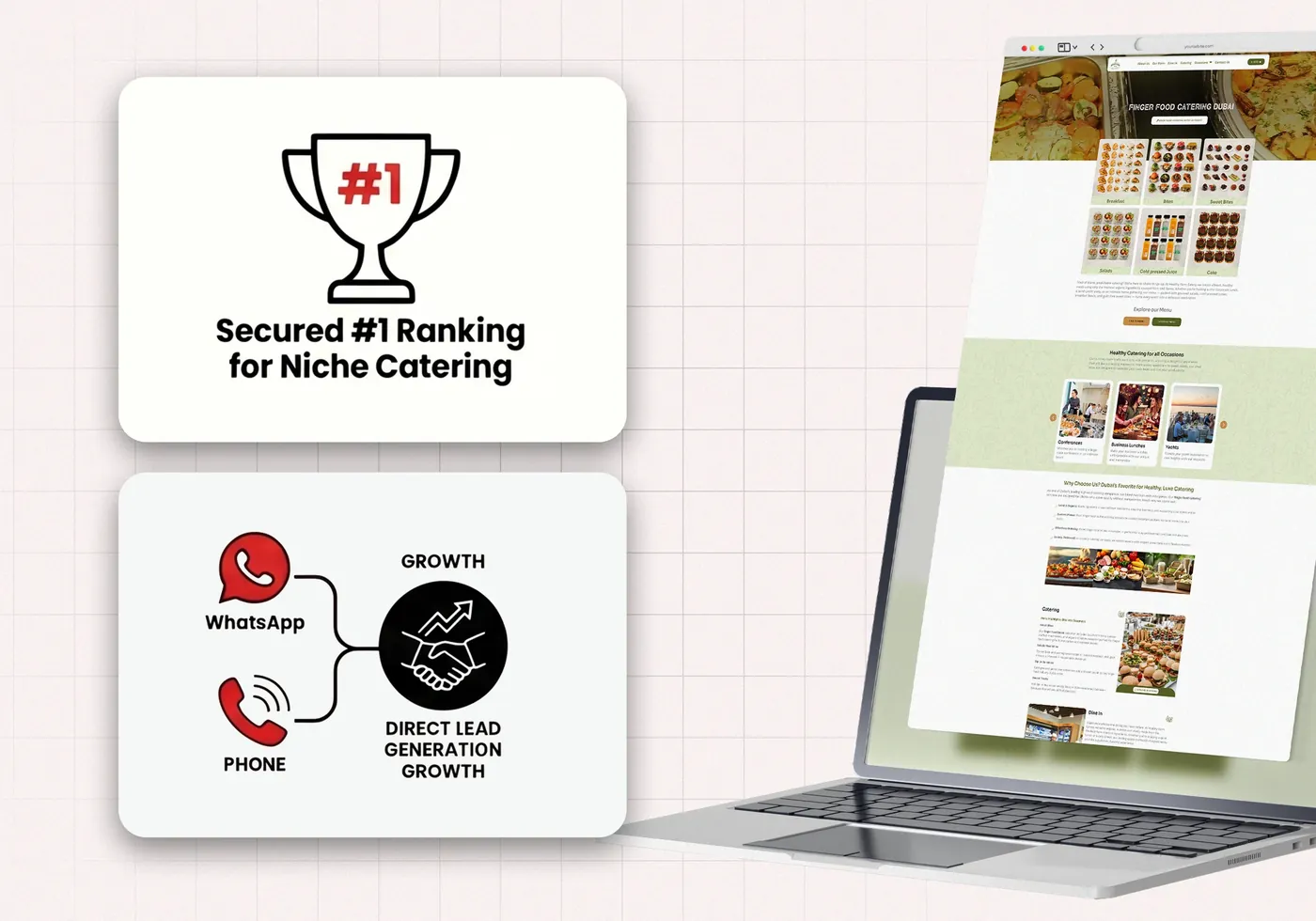
01Consistent Sales Growth Driven by High-Quality Lead Generation
 02
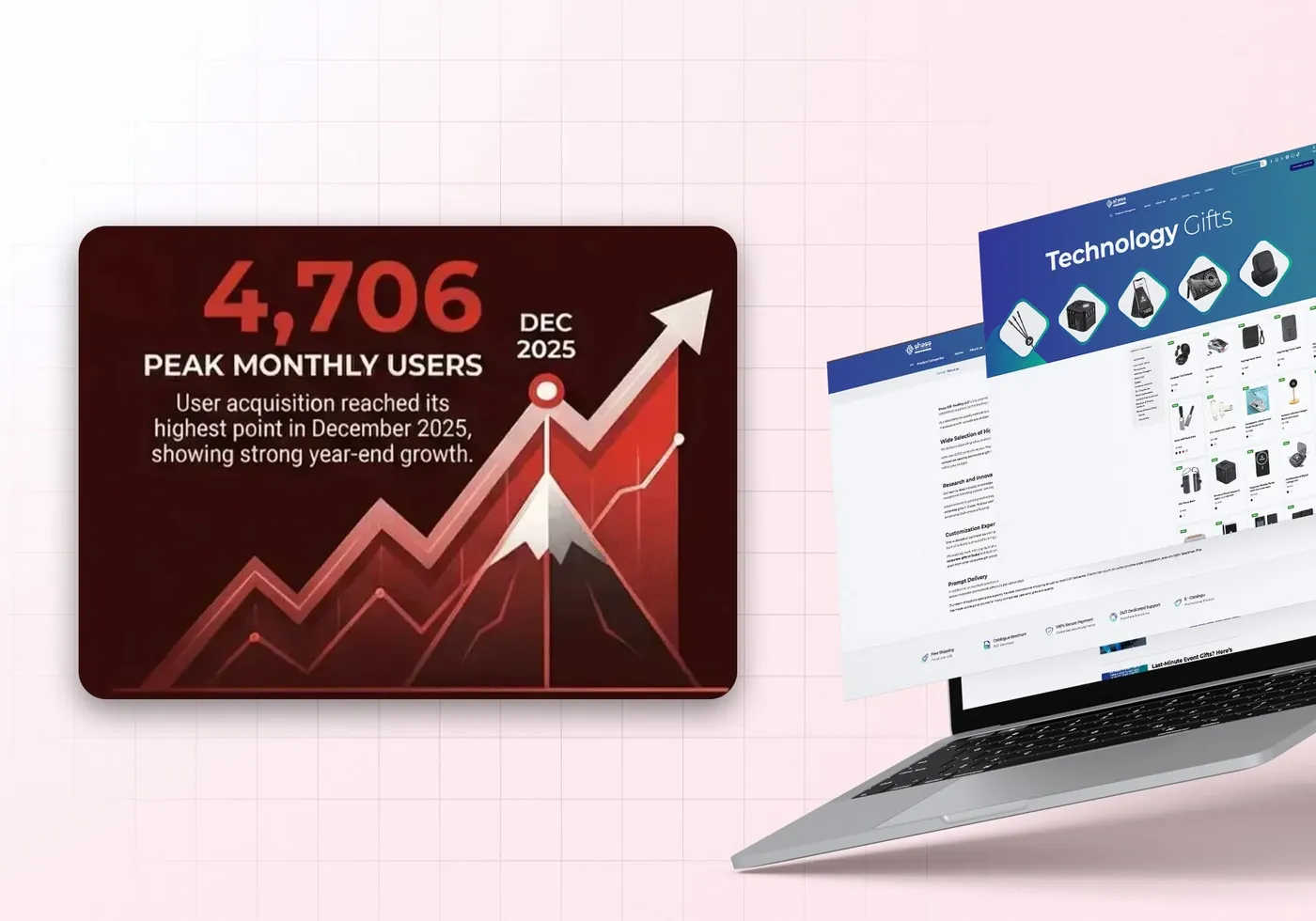
02Driving Search & Local Market Dominance for a Corporate Gifting Brand
 03
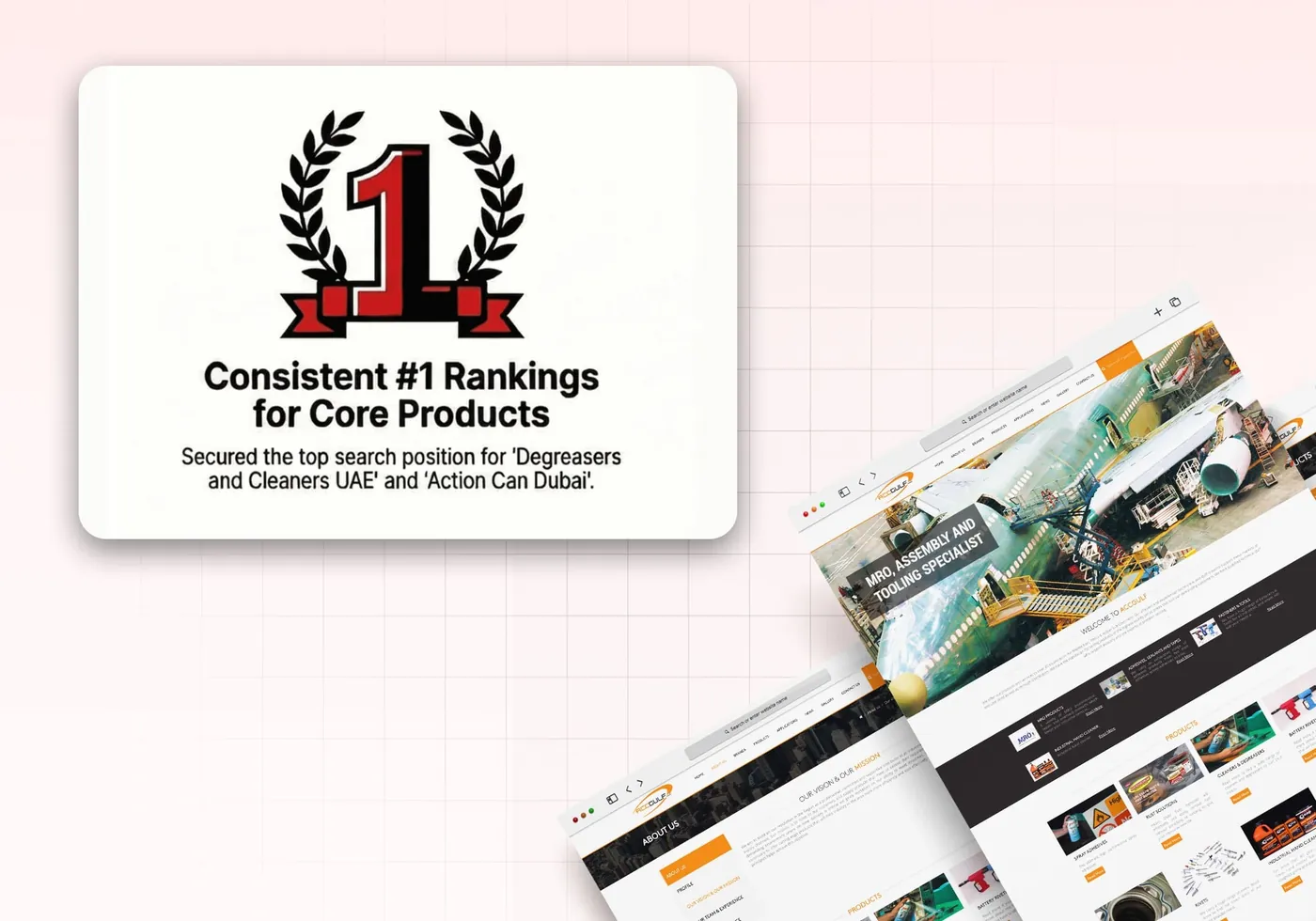
03Strengthening Search Authority & Local Lead Growth in Industrial Supply
 04
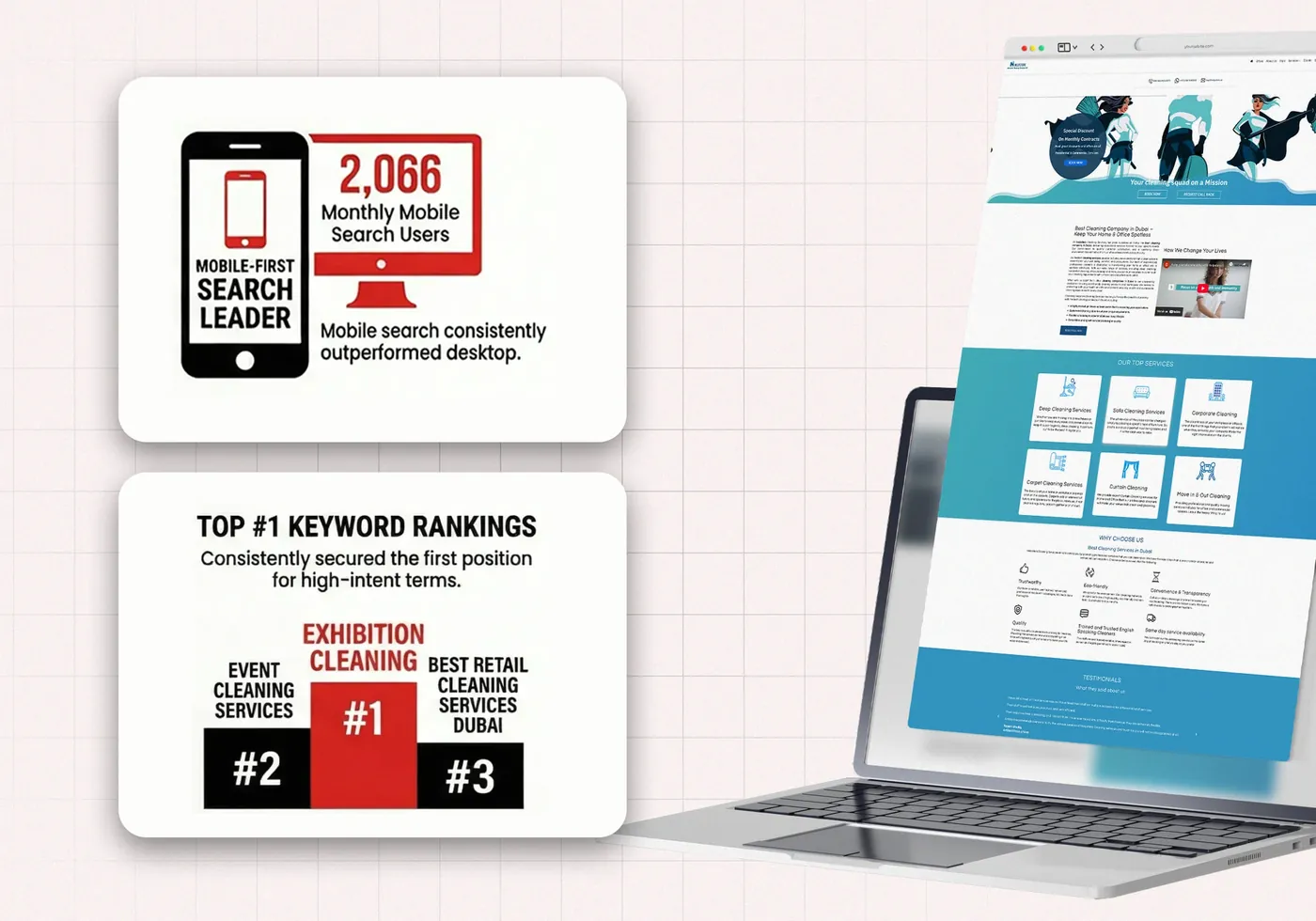
04Capturing High-Value Cleaning Contracts Through Targeted SEO
 05
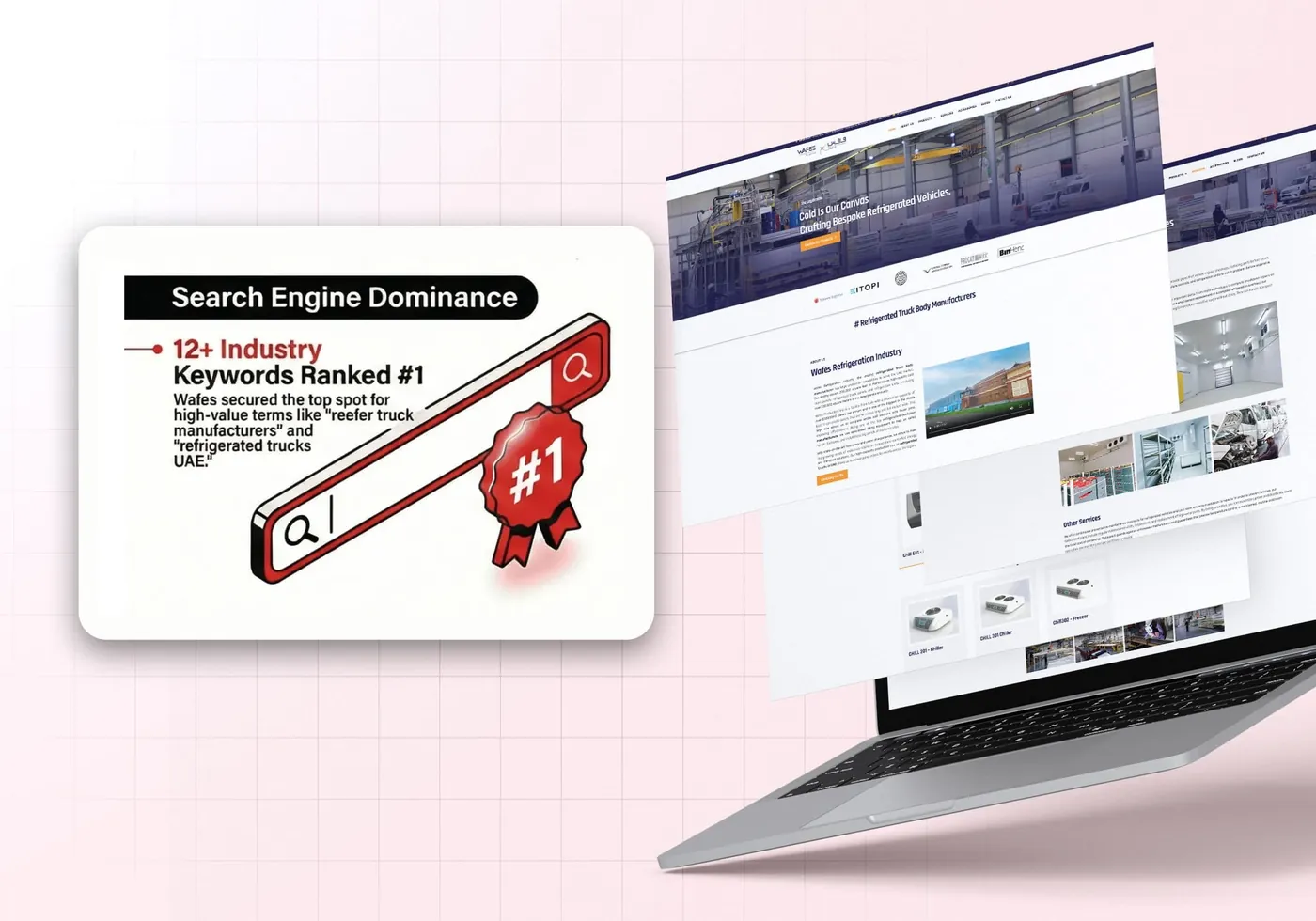
05Transforming Digital Visibility for a Refrigeration Manufacturer
 06
06Expanding Search Visibility & Lead Growth for an Enterprise IT Distributor
 07
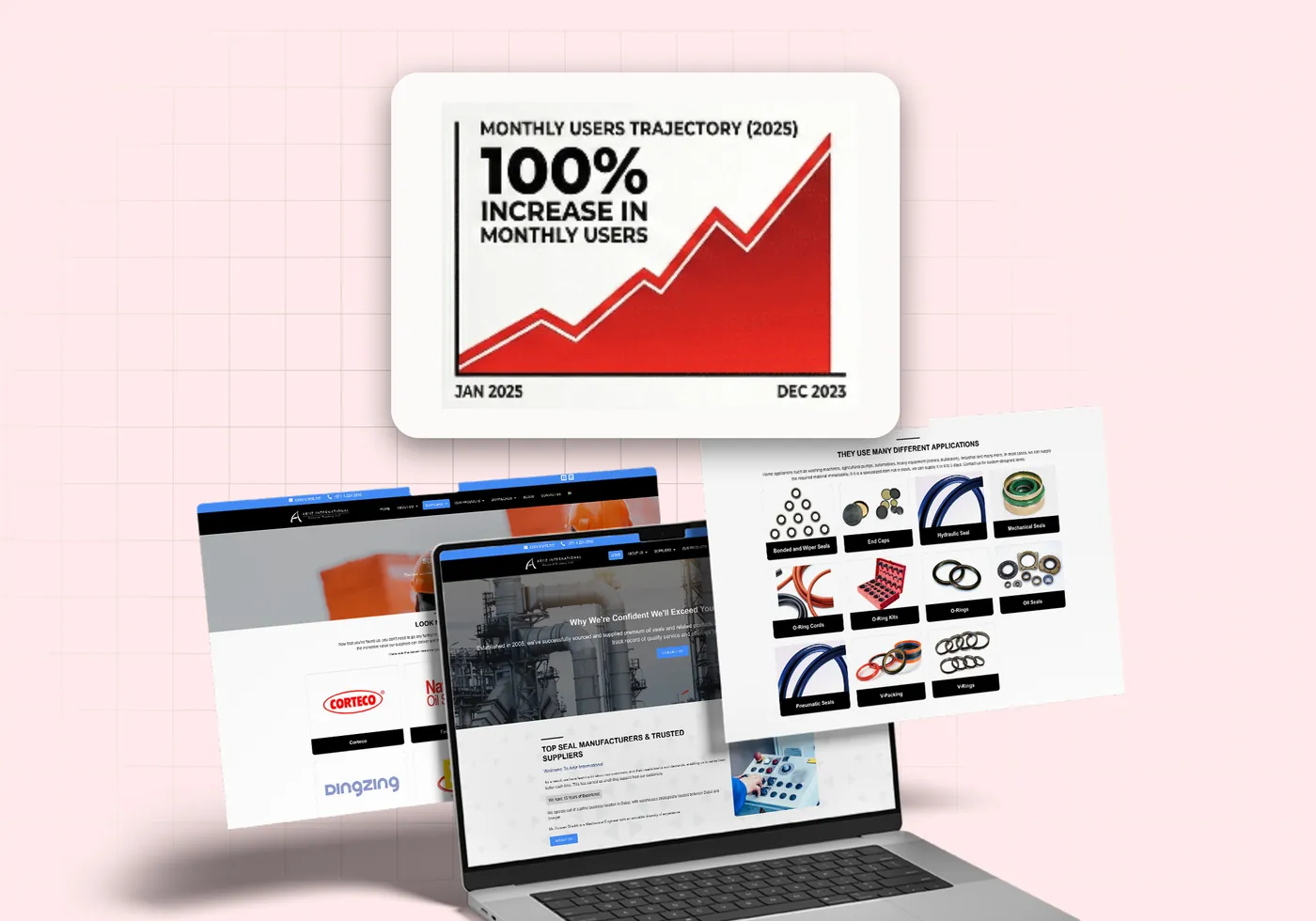
07Driving High-Intent Search Growth for an Industrial Sealing Supplier
 08
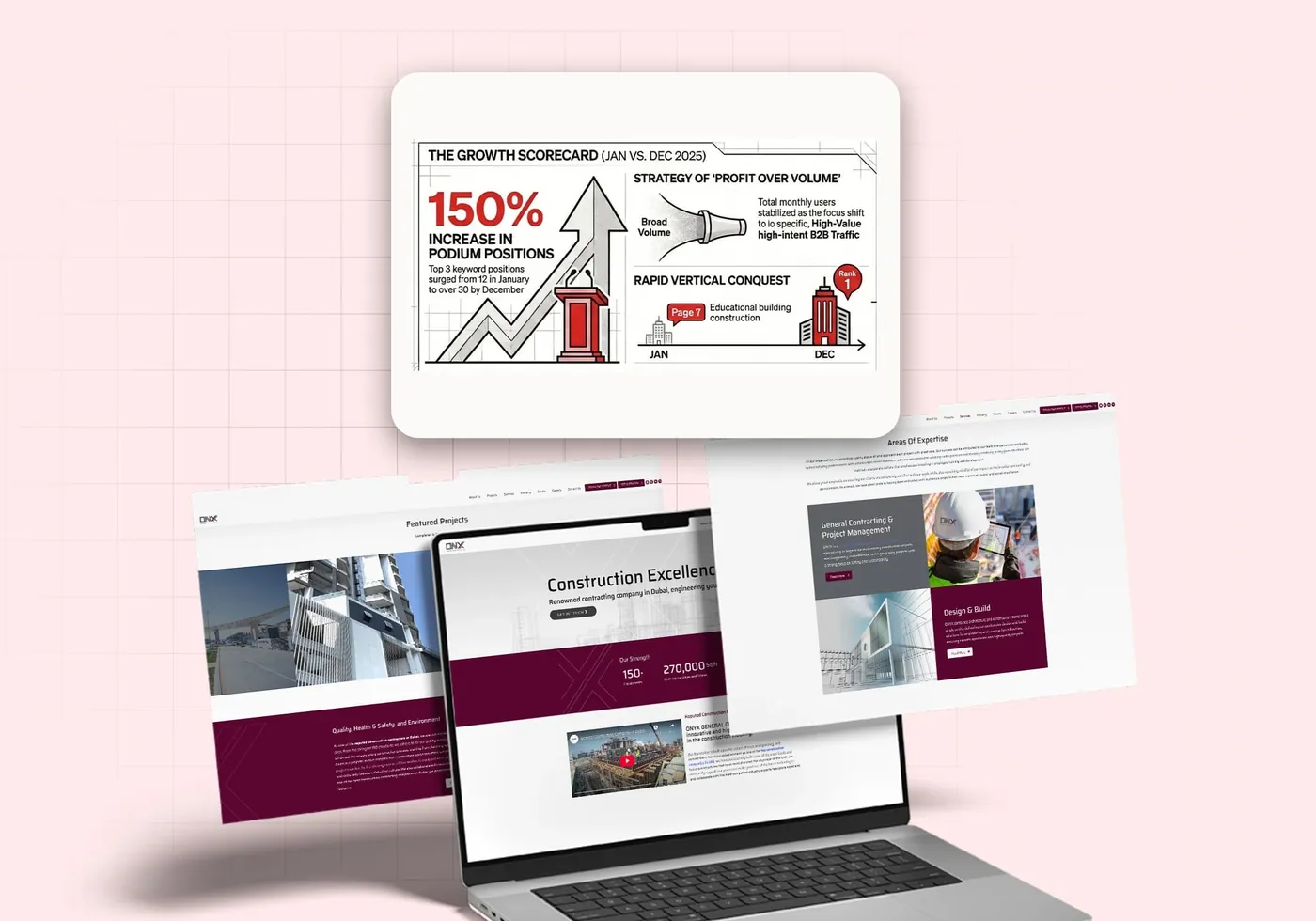
08Achieving Digital Dominance with 1,350+ Monthly Users and 6,100+ GMB Impressions
 09
09Driving High-Intent Visibility for Aviation Compliance Training
 10
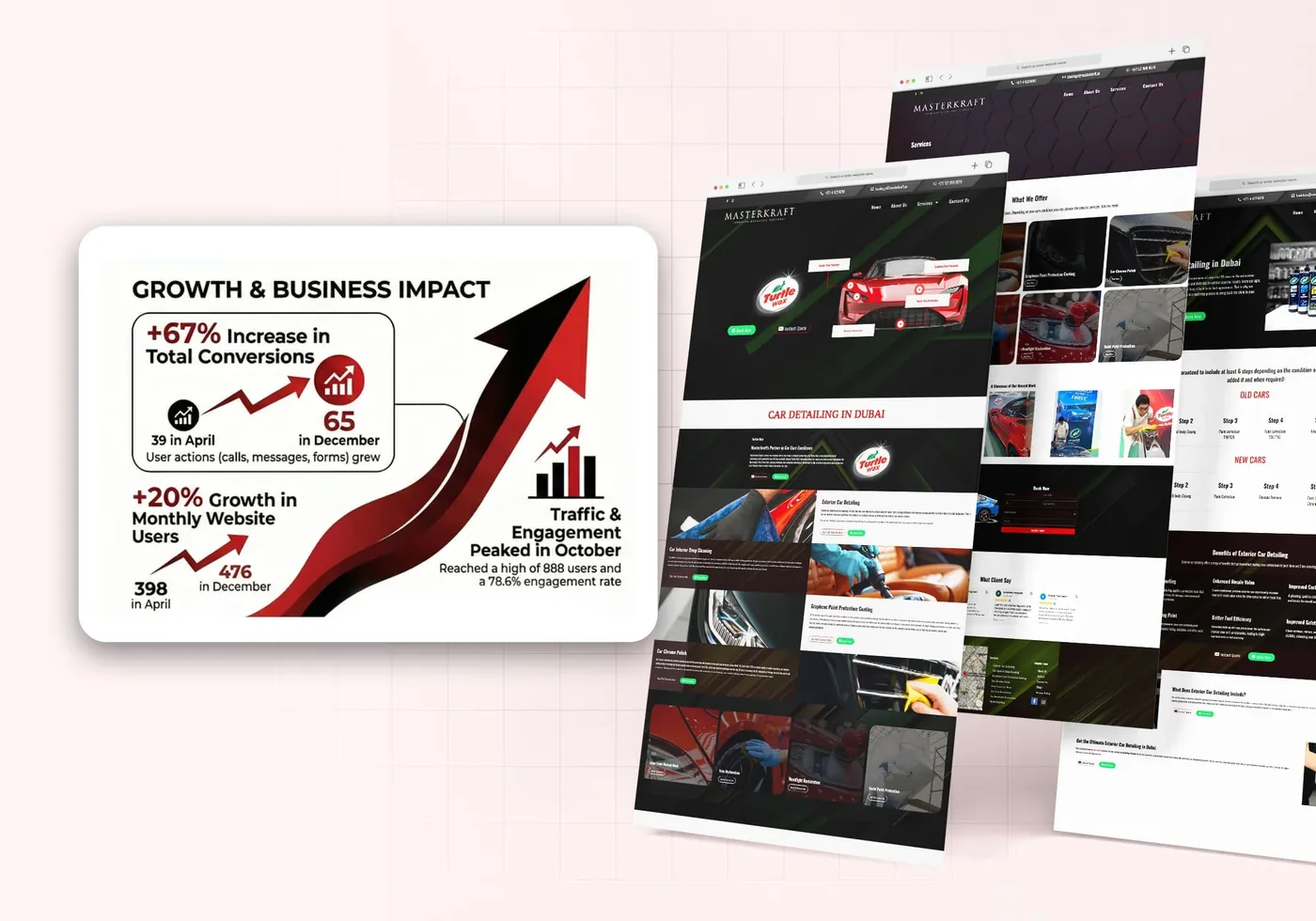
10Driving Digital Growth with a 346% Increase in Website Traffic
 11
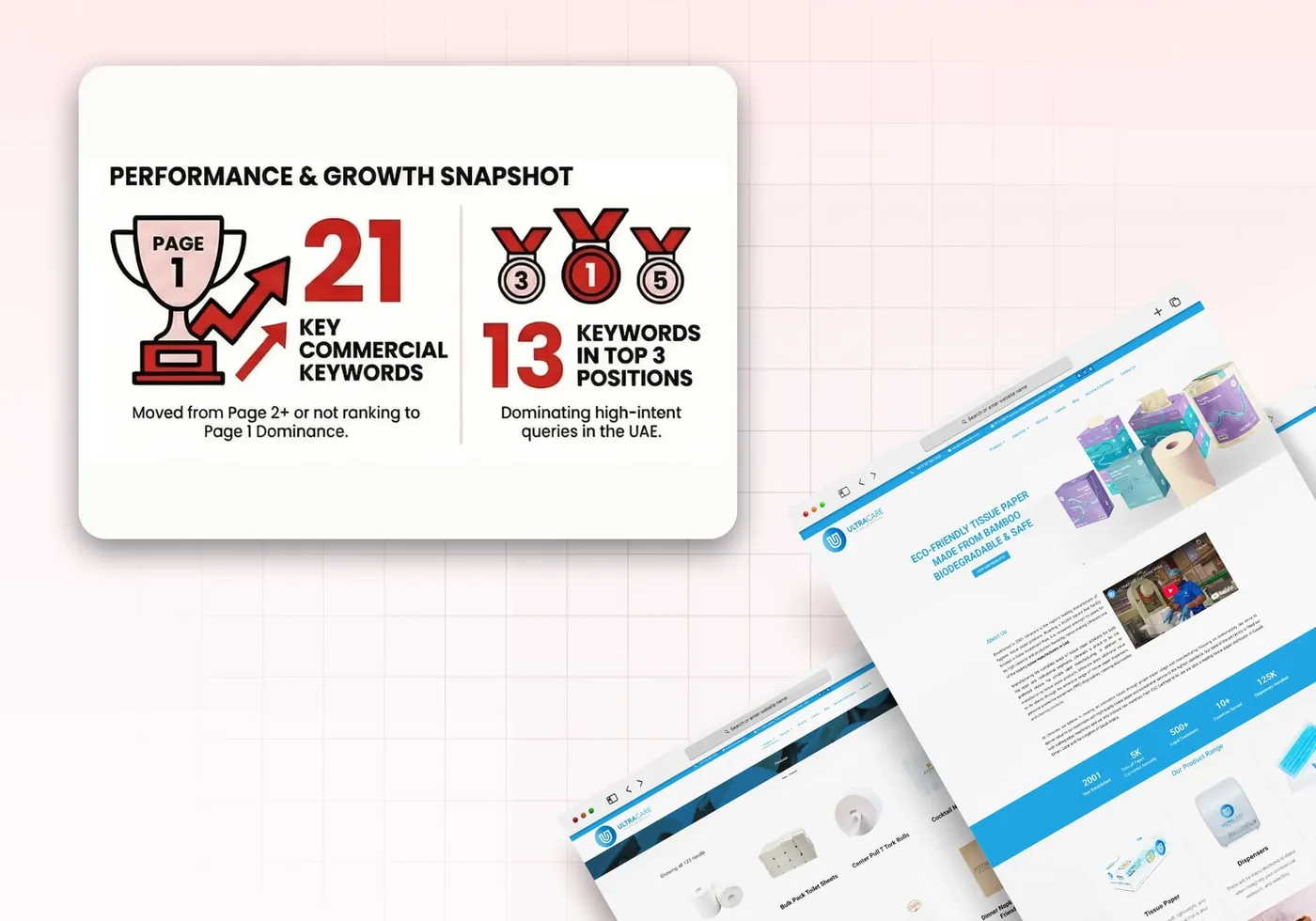
11Elevating Engagement - A 371% Boost in Website Interactions
 12
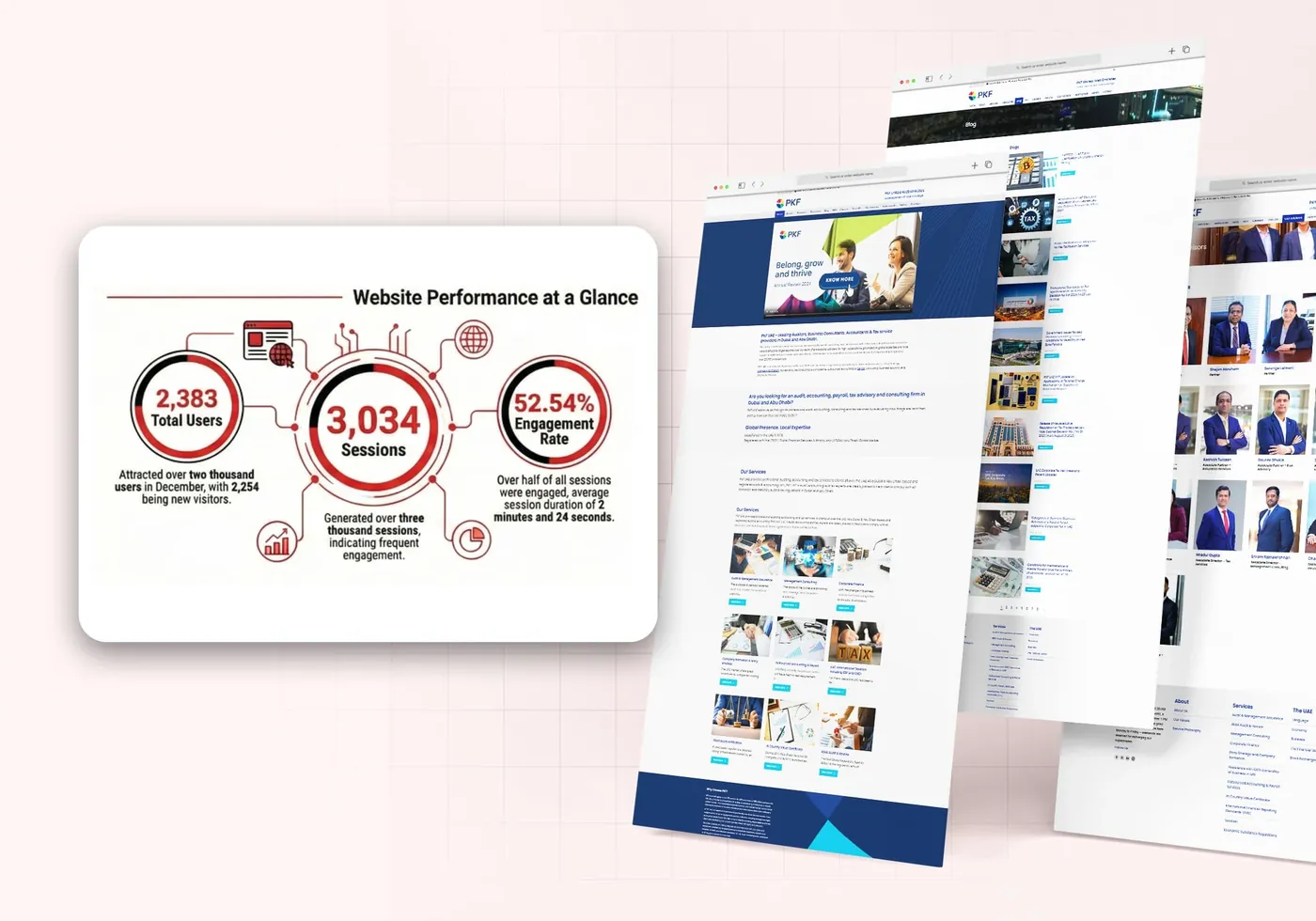
12Driving Success for PKF with 71% Traffic Surge
 13
13Accelerating Success with a 155% Growth in Website Traffic
 14
14Incredible 64x Increase in Social Media Impressions for AllDay Supermarket
 15
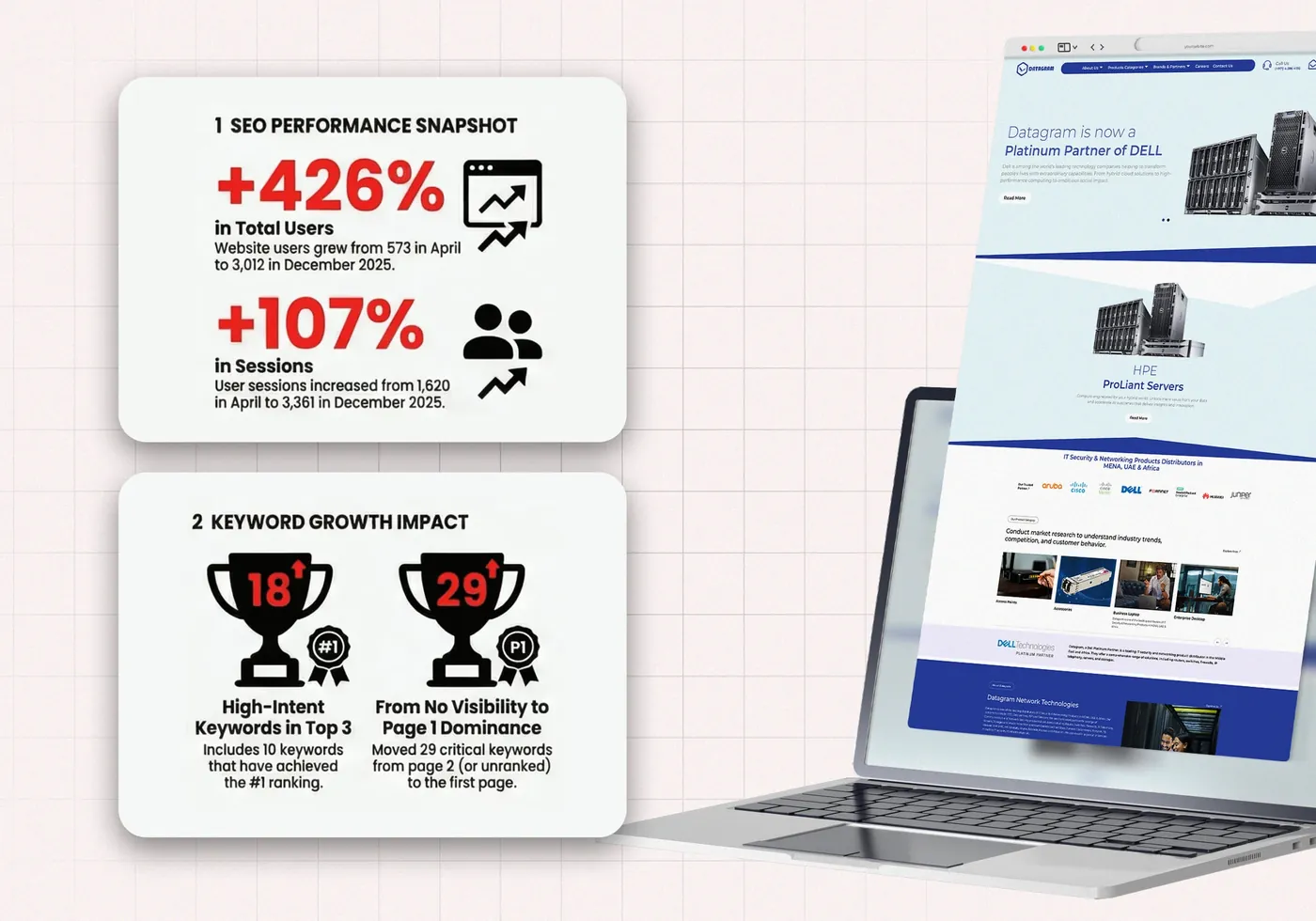
15Transforming the High-End IT Product E-Commerce Experience
 16
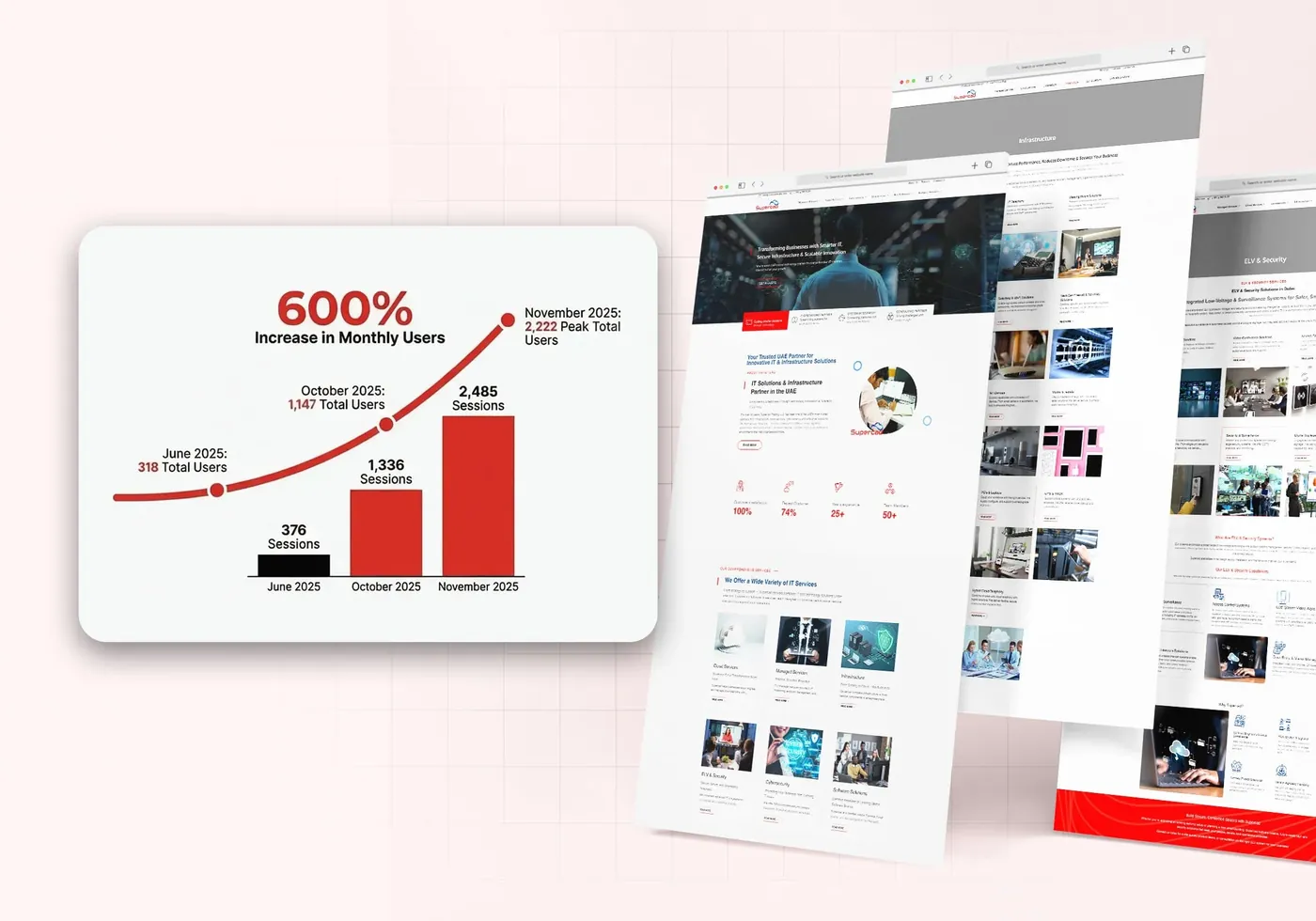
16Revamping IT Solutions with a 128% Increase in Organic Traffic
 17
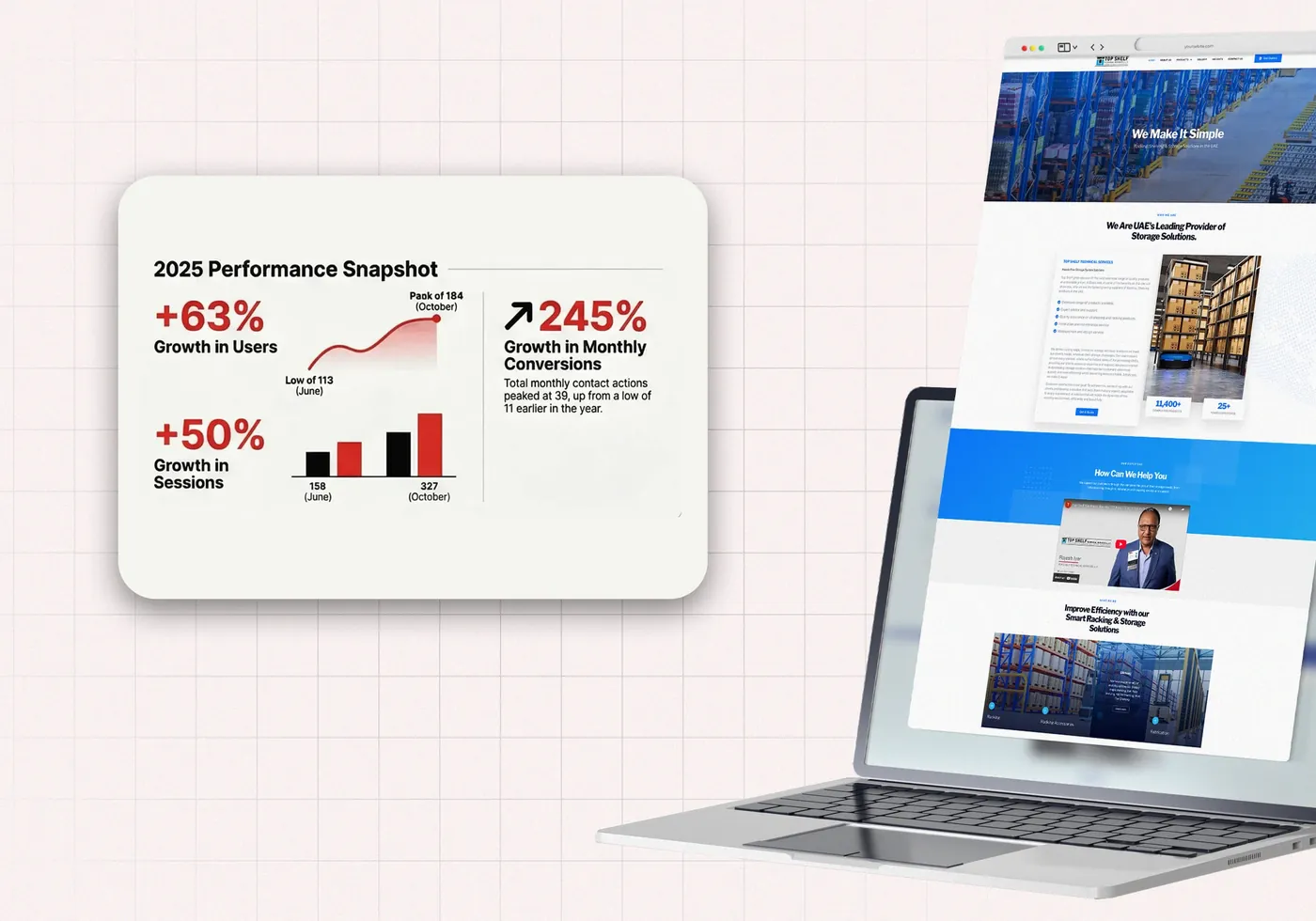
17Boosting Organic Traffic by 245% in 12 months
 18
18Empowering Health and Safety with a 242% Increase in Enquiries
 19
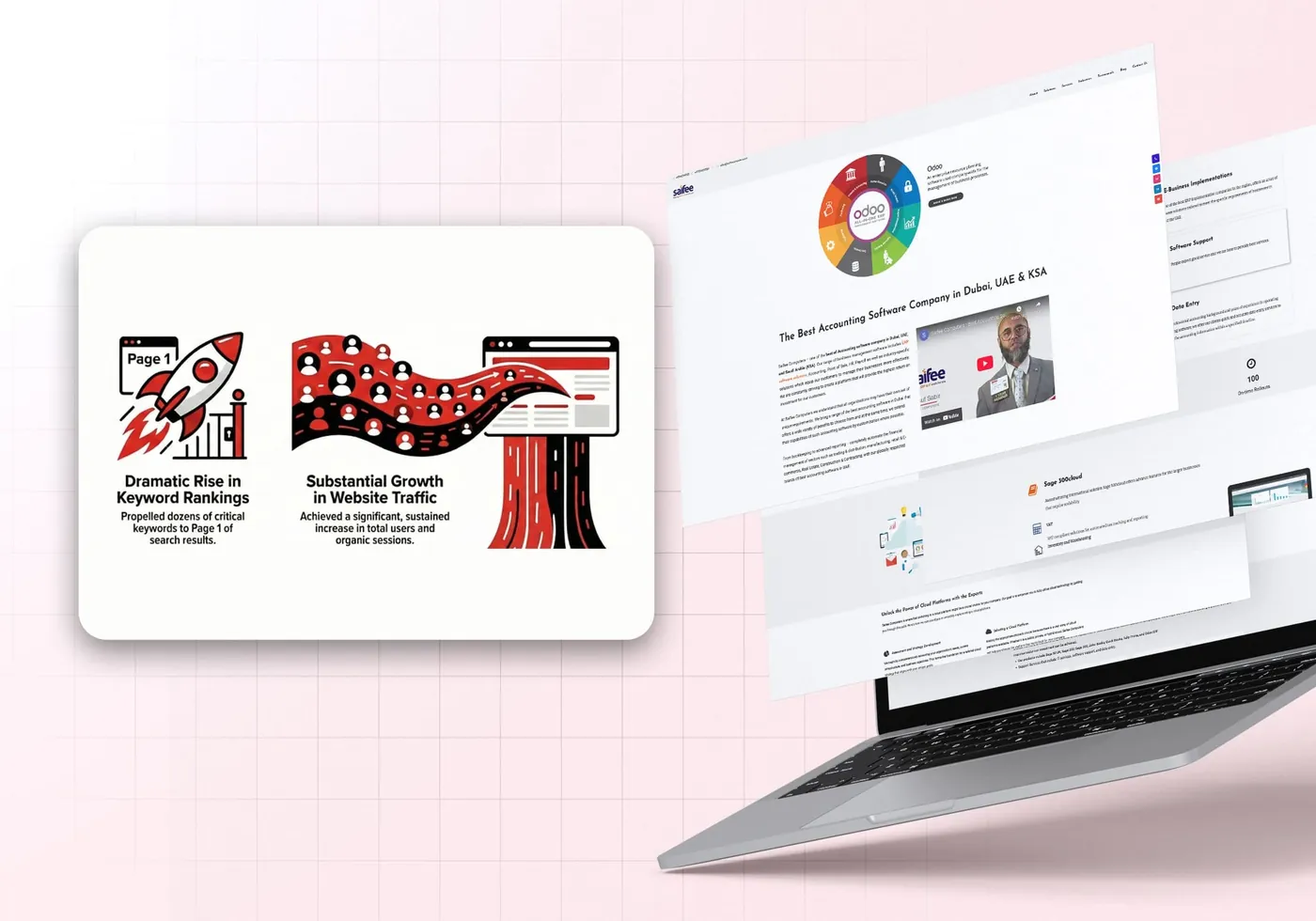
19Accounting Software Sales with an 85% Increase in Enquiries
 20
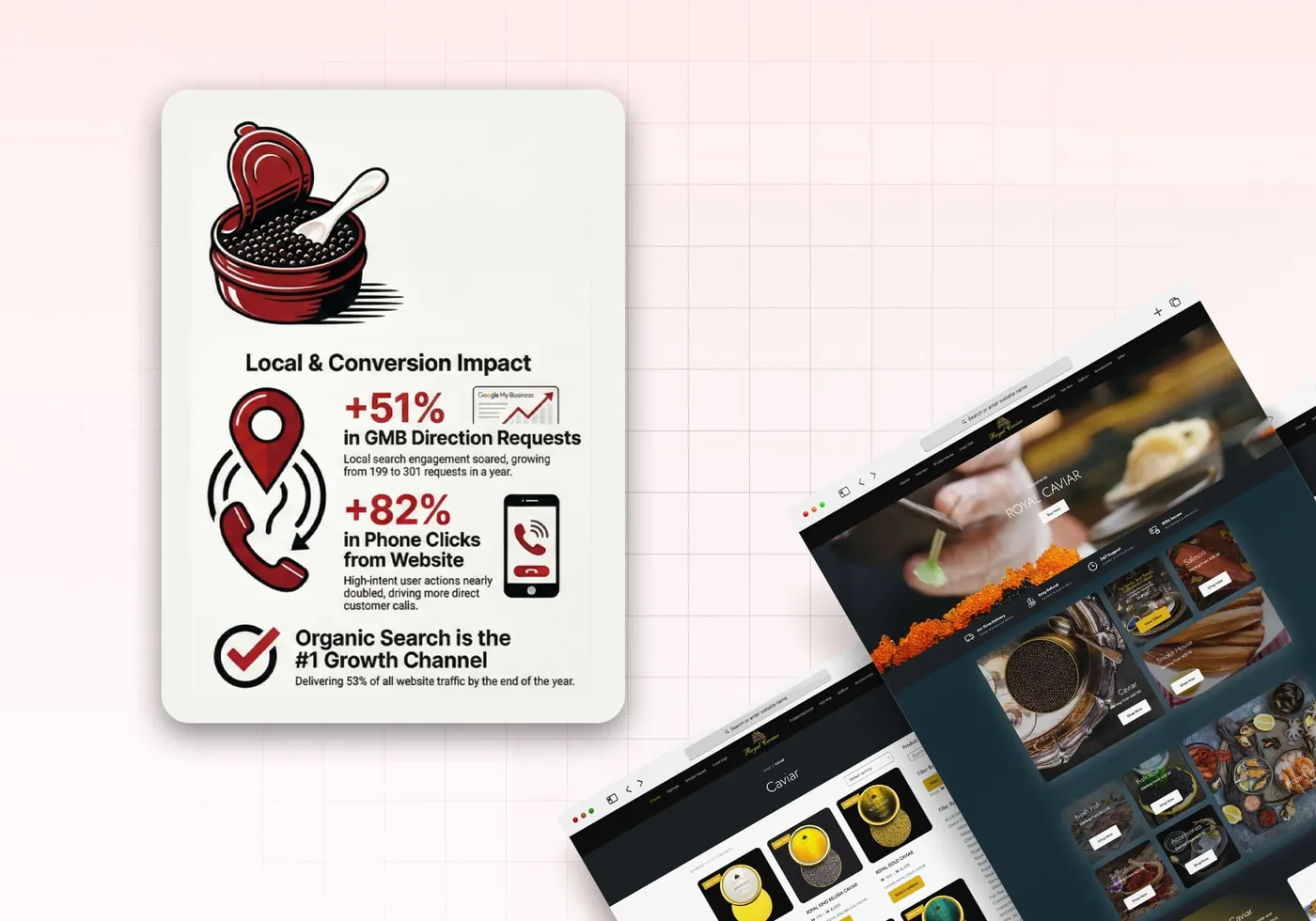
20Increase in sales by 132% in the First Six Months
 21
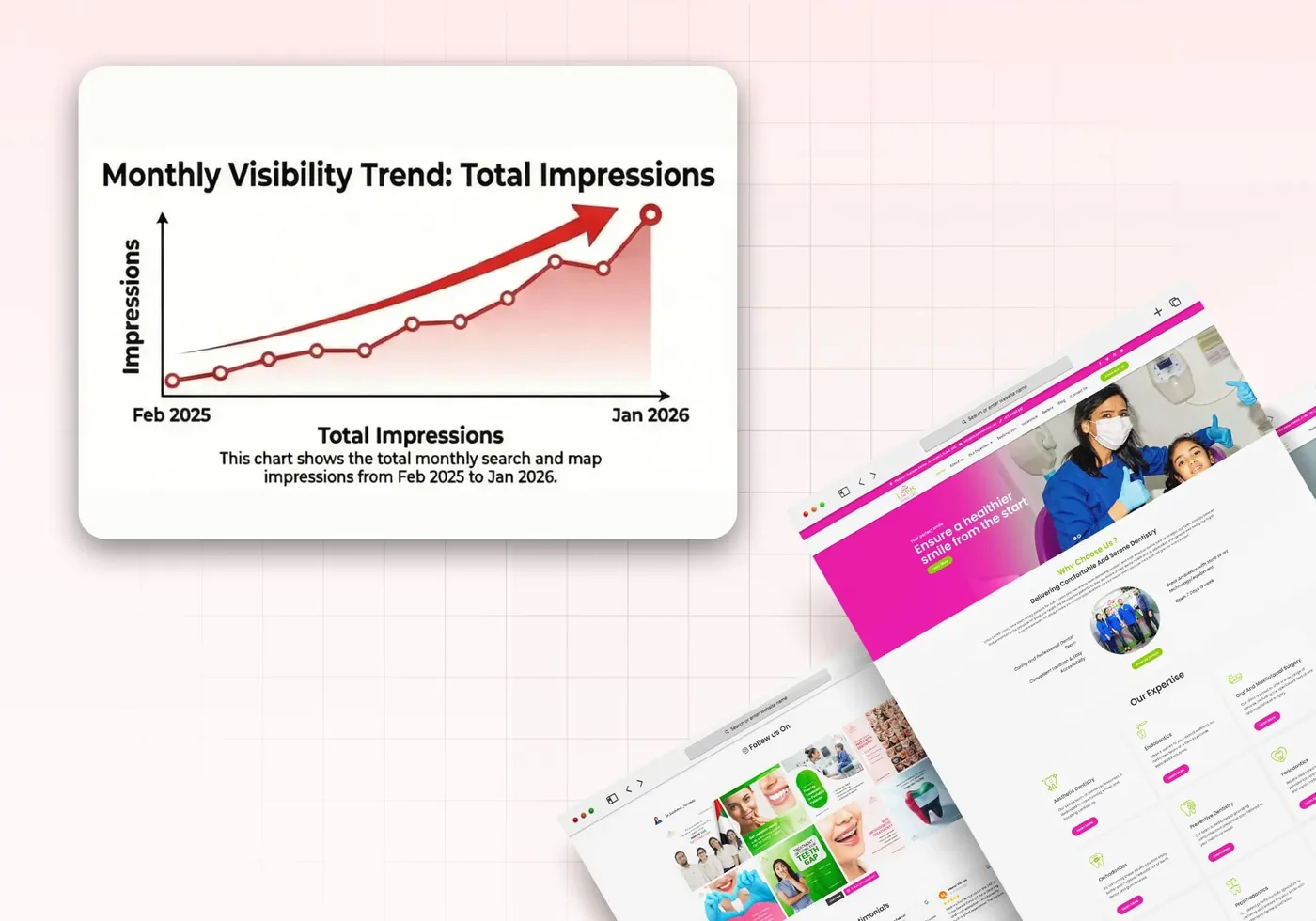
2129% Increase in Local Calls for a Dental Clinic
 22
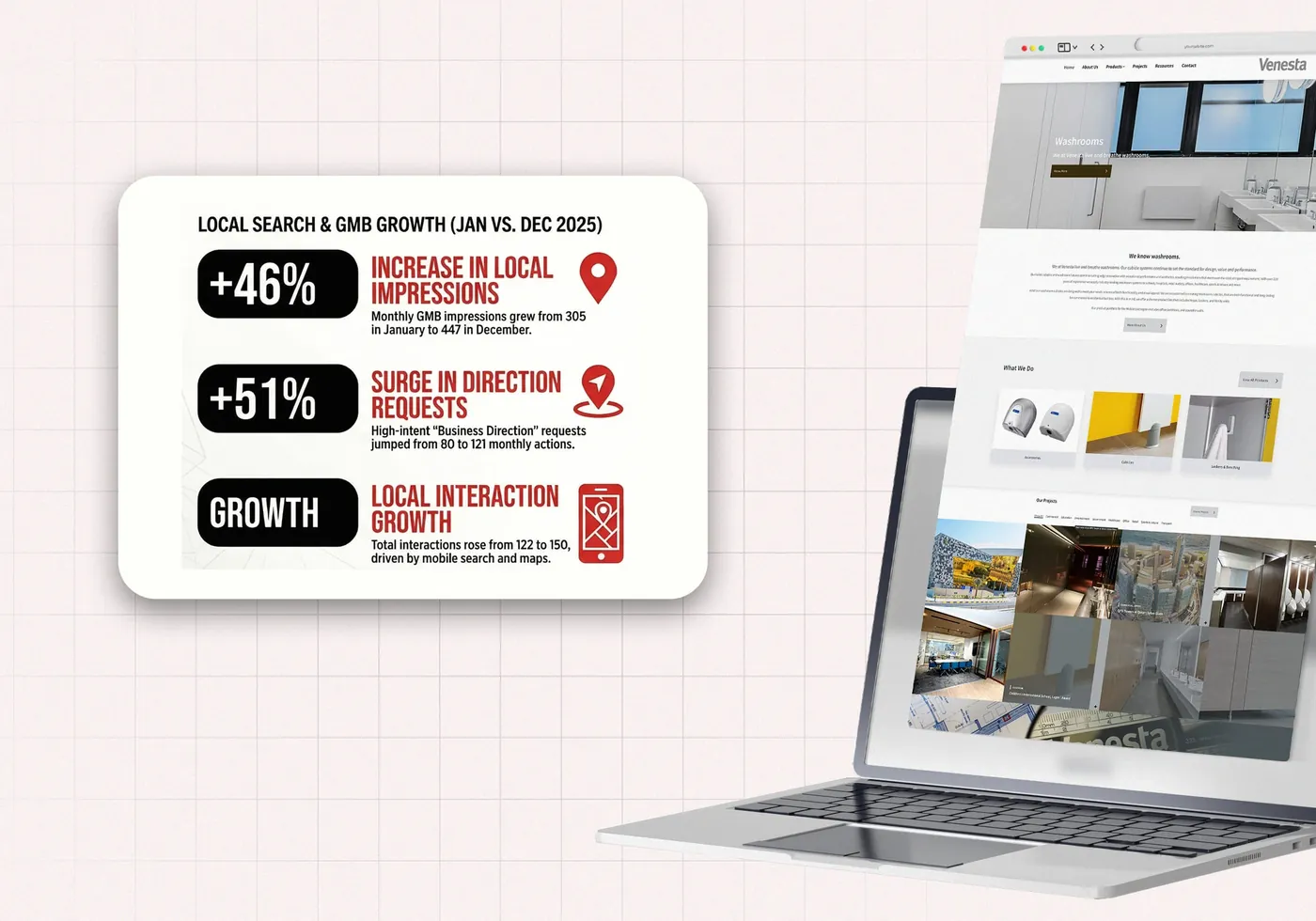
22New Market Expansion for a Washroom Solutions Provider
FAQ
Everything you need to know about working with Dubai’s result-driven digital marketing agency.
Ecommerce SEO improves the organic visibility of an online store's categories, products and supporting content. It covers search research, store architecture, product and category optimisation, technical SEO, structured data, internal linking, content and performance measurement.
Online stores usually have larger numbers of pages, frequently changing stock, product variants, category filters and repeated template elements. These features create specific challenges around crawlability, duplicate URLs, product data and deciding which pages should be indexed.
Technical corrections and page updates may be completed relatively quickly, but meaningful growth usually requires ongoing work and time for search engines to recrawl and reassess the store. The timeframe depends on the catalogue size, competition, current condition and implementation speed.
Yes. Shopify SEO can cover collection structure, product pages, metadata, internal linking, images, content, redirects, structured data and technical issues introduced by themes or apps. The exact scope depends on the store and the access available.
Yes. We also work with WooCommerce, Magento, Adobe Commerce, BigCommerce, OpenCart and custom ecommerce platforms. Technical changes may require coordination with your developer or platform partner, which will be clarified before work begins.
That depends on the size and commercial priorities of the catalogue. We normally start with categories and products that have relevant demand, reliable stock and meaningful sales potential. Templates and processes can then improve larger groups of pages efficiently.
Variants need a clear structure so customers and search engines can understand their relationship to the main product. The setup may involve one product page with selectable variants or separate pages where each version has enough distinct value and search demand.
The correct action depends on whether the product will return. A temporarily unavailable page may remain live with an accurate message and suitable alternatives. A permanently discontinued product may need a redirect or unavailable response based on whether a genuine equivalent exists.
Structured data does not guarantee a higher ranking. It can help Google understand product information and make eligible pages available for richer search appearances that may show details such as price, availability, ratings, shipping or returns.
Merchant Center setup, feed optimisation and issue resolution can be included when required. The website and feed need consistent product information, particularly for prices and availability. Paid Shopping campaign management remains a separate service.
Yes. Online store SEO in the UAE can target relevant national, city-level and regional searches where location affects demand, delivery or availability. Stores selling internationally may need a broader strategy covering countries, languages, currencies and regional website versions.
The fee depends on catalogue size, platform, technical condition, target markets, content requirements and the amount of implementation involved. Your proposal will state the priority categories, deliverables, responsibilities, reporting and monthly fee. Development and paid media costs are shown separately where required.
We will review the store's structure, indexation, content, product data and current organic performance before recommending a practical scope for ecommerce SEO services in Dubai.
Our insights